
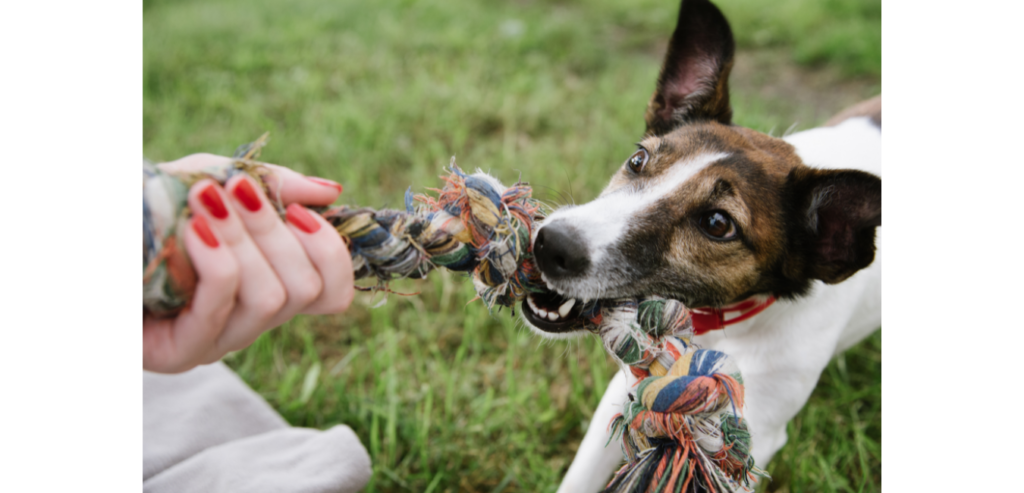
Does your dog bark, chew the door or have accidents as soon as you leave? It may be separation anxiety. It’s common, and it can improve with patience.
Key takeaways
- Common signs: barking, destruction, accidents, drooling or not eating when alone.
- Practice short absences, keep goodbyes calm, exercise first, offer enrichment, and use regular daycare.
- At Mini Boarding House, dogs with separation anxiety must complete a daycare assessment before boarding.
Common signs
- Following you and panting as you get ready to leave
- Barking or howling after you go
- Chewing doors, furniture or shoes
- Accidents only when alone
- Drooling or refusing food
If the behaviour is sudden or severe, see a vet to rule out medical causes.
5 things that help
- Practice short absences and build up slowly.
- Keep departures and arrivals low-key.
- Exercise and sniffing games before you leave.
- Give a puzzle or lick toy.
- Regular daycare, so your dog learns you always come back.
Boarding an anxious dog
Bring something that smells like home and start with a few daycare visits. At Mini Boarding House we assess how an anxious dog copes with an open environment before confirming boarding.
FAQ
What are the signs of separation anxiety?
Barking, destruction, accidents, drooling or refusing food when left alone.
Can a dog with separation anxiety board?
Often yes, with preparation. Mini Boarding House requires a daycare assessment first.
How can I help my dog?
Short practice absences, calm goodbyes, exercise beforehand and regular daycare.
400-ping lawn, outdoor pool, cage-free open spaces, and photo and video updates on LINE every day.
Message us on LINEOr call +886 989-187-961 · 9:30 am–9:30 pm (quiet time 12–2 pm)